
It was a planned trip for J&K in June 2015. Yes, we were aware of probable rains during this trip being the month of June; however, we were prepared for it mentally. The trip was from 22nd June to 26th June—too few days to cover too much of the "Paradise on Earth." However, the main aim of the trip was a holy visit to Maa Vaishnodevi and a few days off from home.
Day-1: Jammu Tawi to Katra
We reached Jammu Tawi station on 22nd, early morning at 5:10 AM. Our vehicle was well there at the station for pickup and drop to Katra (foothills of Vaishnodevi).
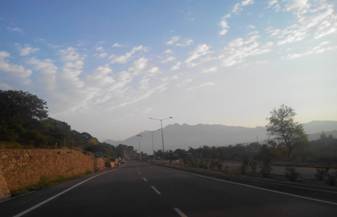
We reached Katra by 7:30 AM and checked into Hotel AP Broadway. Luckily there was no rain on the day and the sky was clear, ideal for climbing up to "BHAWAN".
After getting fresh at the hotel room, we were ready for trekking. The hotel manager arranged a vehicle to drop us at "BANGANGA CHECK POST", the point up to which any vehicle can go, and after that only four methods are available to reach the top. First, take a helicopter (chances of getting tickets are negligible as bookings are done 60 days in advance; yes, if you are a railway officer, military officer, or other government officer, it can be arranged for).
Second, take a palkhi; third, take a pony ride; and fourth, take a walk. Rates are fixed and displayed at regular places near the Banganga check post and at Bhawan also. A pony ride to one side costs ₹700 for one adult.
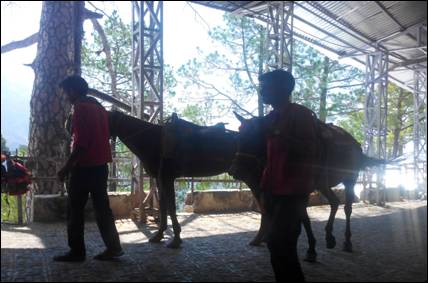
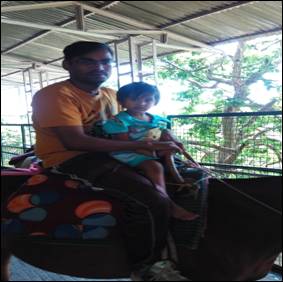
We chose to take a pony ride uphill, as by walk we would not be able to go and come back by evening. We had to move to Pahalgam the next day morning.
We started from Banganga on a pony after getting the "yatra parchi" checked at Banganga. Yatra Parchi (Travel Slip) can be obtained at the bus stand counter before Banganga or can be booked online from the Vaishnodevi organization website. We had the online yatra parchi in advance. Even though we had the online yatra parchi, it needed to be checked and another slip issued at the Banganga check post.
Climbing by pony is quite comfortable if you don’t have a problem sitting for a long time. It was a wordless experience climbing up and reaching Mata's Bhawan step by step. It was a holy experience combined with scenic views of hills, rivers, and pleasant weather. The pathway is well made and maintained and provided with shelters all the way. Still, work was going on to make it summer- and rain-comfortable all the way to BHAWAN. There is a separate path for foot climbers and pony/palkhi, though at some places it's a mixed path, creating discomfort for on-foot devotees. However, it's manageable. There are lots of shops and rest shelters for devotees, so there is no need to carry much luggage, water, or food while climbing. All is available on the way. Just carry a good amount of cash, preferably in ₹10 and ₹20 notes.
We reached at Bhawan by 12:30 PM, after almost 4 hours of pony ride with one single break in the middle of the way.
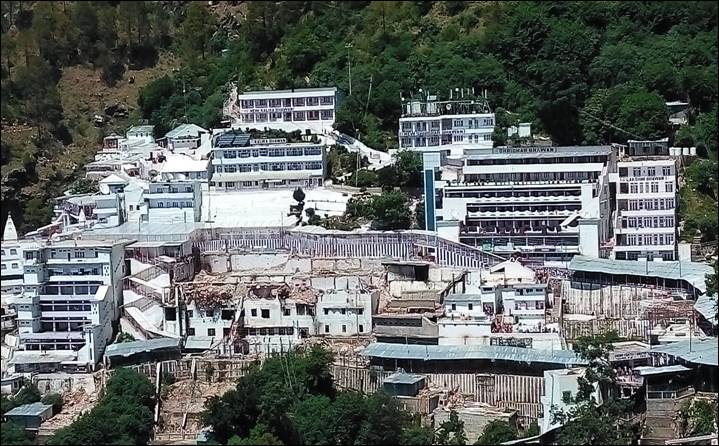
There was a long, unmanaged queue for final checking and towards Bhawan and the holy cave. Remember to deposit all leather items, mobile phones, cameras, shoes, etc., at the cloakroom, as nothing is allowed inside the cave or Bhawan.
After holy darshan, we proceeded for the Bhairavnath temple, still uphill from Vaishnodevi Bhawan. We reached there at 2 PM. After darshan, we started back to Katra on the same pony (we had asked them to wait for us rather than selecting another pony). We were back at Katra by 6 PM.
Coming down on a pony is not as comfortable as climbing, as you have to lean backwards continuously while the pony is climbing down to maintain balance.
With the holy image of Maa Vaishnodevi in our eyes and the pleasant view of hills in our hearts, we returned to the hotel. After getting fresh, we had our dinner at the hotel itself as it was a long, tiring day.
Day-2: 23rd June: To Pahalgam
We knew that the travel time from Katra to Pahalgam is about 6 hours. So we planned to leave early in the morning. We called the driver at 5:00 AM at the hotel and left for Pahalgam.
Kashmir, as it is portrayed in many advertisements being the "Paradise on Earth," is not really remaining so nowadays. It is gripped by strikes, rallies, protests, road jams, etc. Rather than the comfort of tourists who come thinking of paradise, people here think more about earning money. The paradise has been commercialized a lot, which is taking away its charm.
Local tour operators are just trying to make money by any means. However, we had booked our trip in advance, so there was no worry about money, and it was almost a cashless trip as all was paid in advance.
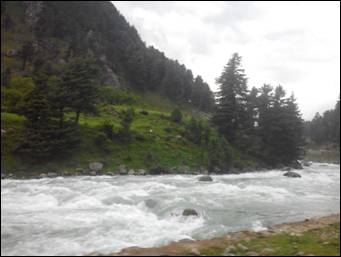
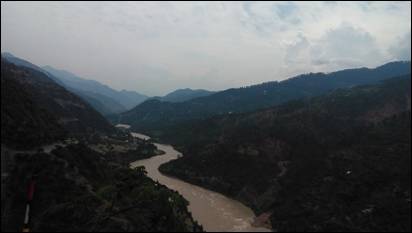
On the way to Pahalgam, it was a magnificent view of mountains and rivers. After a whole year in a concrete jungle, this away-from-work trip was really changing the mood. It was refreshing. On the way, we fed our cameras with the beauty of natural hills and water sources. Small waterfalls are a very common scene throughout the way, giving a wordless experience of being in nature at its best.

However, nature would also cry after seeing humans being at their worst at the same time. There was a jam on the way near Anantnag. We came to know that locals were protesting and throwing stones on tourist vehicles. On our way, there were many vehicles of the army and also of Amarnath devotees and bhandaras moving towards Pahalgam. As Pahalgam is the base of the holy Amarnath yatra (scheduled to start on 2nd July), these military vehicles and Amarnath yatra vehicles were moving to Pahalgam to set up facilities for the upcoming yatra.
But as there was stone pelting by locals, all tourist vehicles were returning back. We even saw military vehicles moving back from the protest area—really surprising and disappointing. Poor tourists.
However, our driver knew some local village roads to bypass the protested area and find an alternate path to Pahalgam. However, we wasted 3-4 hours in this, as coming out of the long queue of vehicles and finding and passing through the alternate path was not easy.
Near to reaching Pahalgam, we had a magnificent view of Lidder river streams shadowed by green tall hills—a truly awesome view.
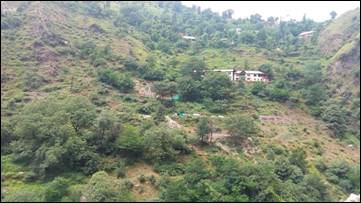
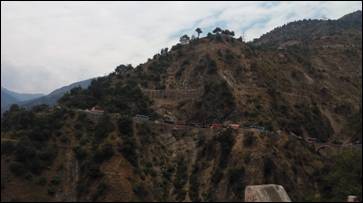
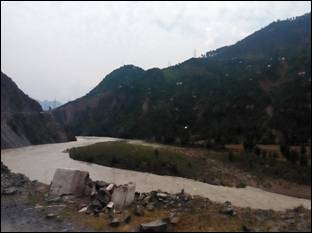
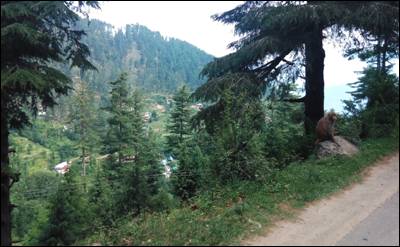

At local waterfalls, the water was chill-cold, and we enjoyed washing our faces and drinking natural cold water—a unique experience.
We reached Pahalgam by 4:30 PM. By the time we reached, rain had started slowly, making the view more pleasant. A river passing in front of the hotel, backgrounded by green hills, clouds touching the hills, white snow at far peaks of hills, and a cold chilling fresh breeze—a real paradise is called nothing else.
We checked into the hotel and, after getting fresh, enjoyed the fantastic view of the dream world, river, water, fresh breeze, and snowy mountains.
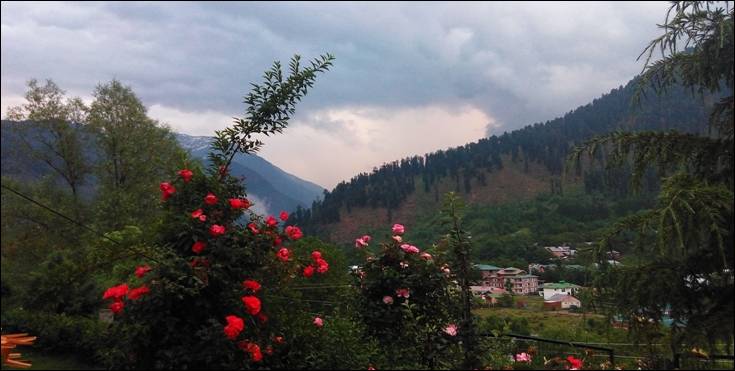
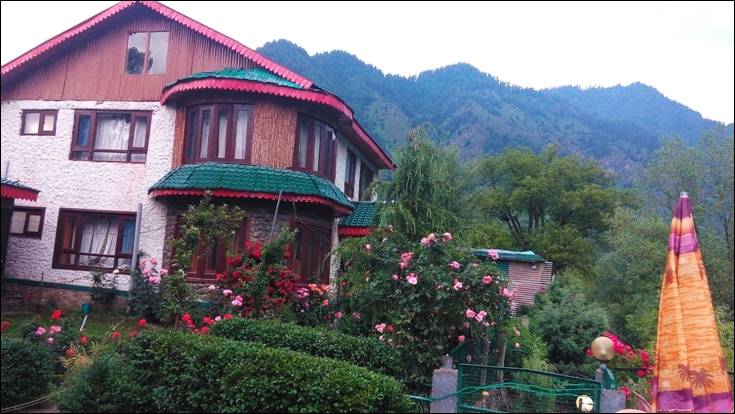
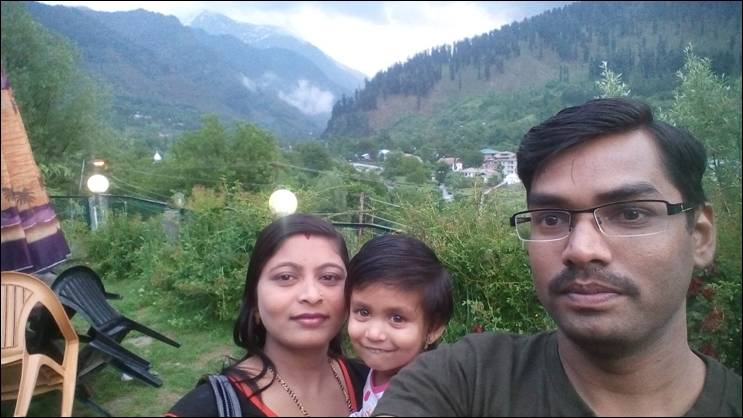

Having hot dinner in bone-chilling weather with a view of paradise was... um... NO WORDS TO DESCRIBE... One has to experience it on their own.
There was no fan/AC in the hotel room, as they don’t require it since the weather is always chilling here from January to December.
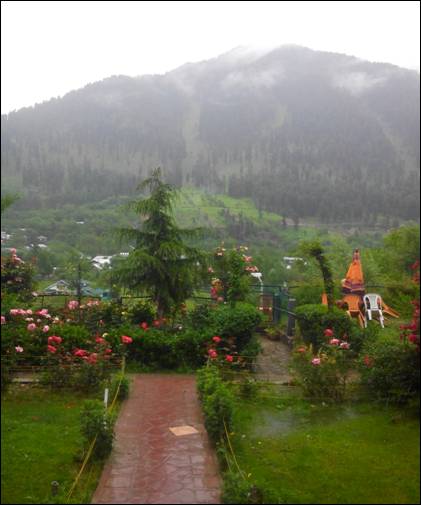
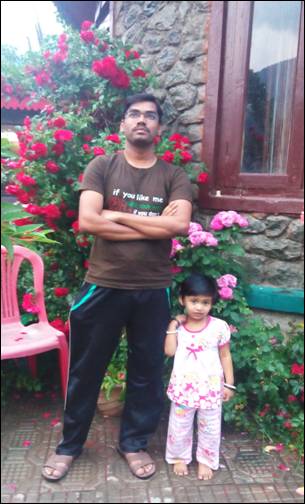
With the sound of river water, pitch dark surroundings, and local folk songs sung from far away, it was an unforgettable moment. If we are made free of all responsibilities of work and life, there is no other way to enjoy life other than becoming a shepherd and passing the rest of life here.
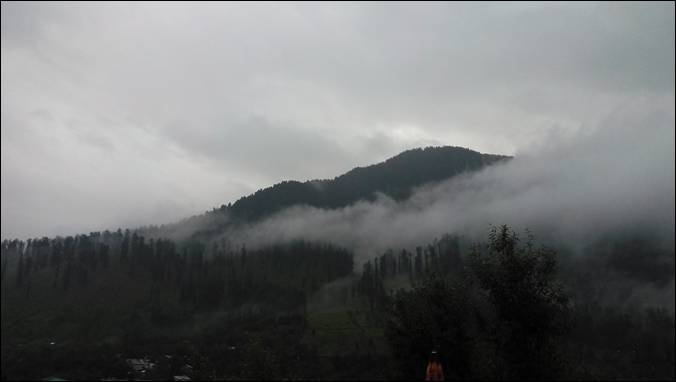
Day-3: 24th June: To Srinagar
With no willingness of leaving this paradise, we left for Srinagar at 8:30 AM after having breakfast at the hotel.
We reached Srinagar by 12:30 PM. As it was raining all the way, it added to the enjoyment of an otherwise boring car ride. We had several stops in between the way to Srinagar to take selfies with Mother Nature. We visited apple fields, walnut (akhrot) fields, etc., on the way.
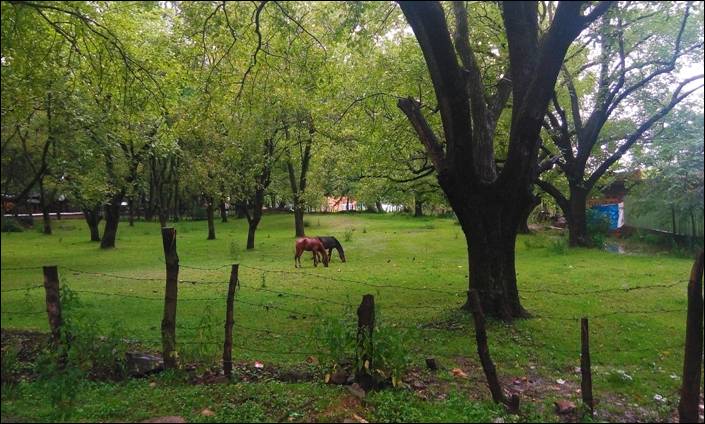


Rest of the day we had to be in the hotel as it was raining heavily outside.
Day-4: 25th June: Local Srinagar
What an awesome day we had today, visiting local Srinagar.
As we had wasted half a day on day-3 due to rain, we were determined to make it up today as rain had stopped at local Srinagar. We woke up and got ready at 6:00 AM. Without waiting for the hotel to make breakfast ready, we moved out for the local Srinagar trip. The driver also supported and joined us at our timings.
We first went to Nishat Garden, but we were told that it would open at 8:30 AM; however, we were advised to climb the small wall and enter the garden. But we did not break rules.
We proceeded to the Shankaracharya temple as it was the only place open by 6:00 AM. The driver took us to the hilltop at Shankaracharya temple; as it was early morning and last night it rained all the way, the roads were wet and added to nature's best. Heavy fog on the way uphill made it feel like we were passing through the clouds.
We reached the temple, leaving electronics in the car itself, as nothing is allowed at the temple and it is guarded by the Indian army. After checking, we were allowed to climb steps uphill to the temple. Due to the fog, one was not able to see more than 10 steps away. This gave an experience like we were moving towards a cloud home. It was also bone-chilling weather. We were fully equipped with woolen clothes, yet we were shivering. After 15 minutes, we reached at the top. It was even more chilling at the top, and we also had to leave our shoes before entering the temple premises. Our feet felt like they were standing on ice cubes. After darshan at Shankaracharya, we moved back to the foothills at Dal Lake road.
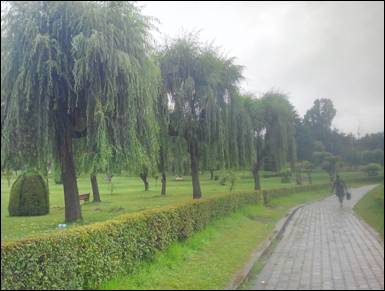
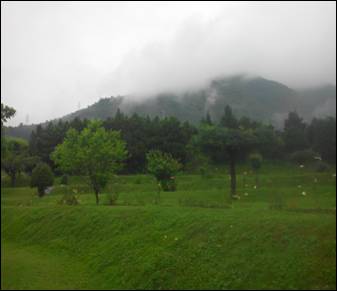
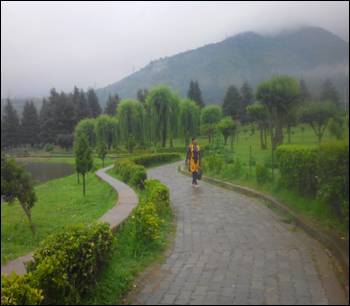
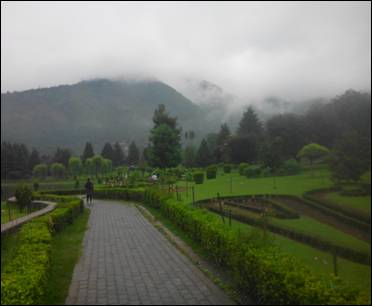
By the time of our Shankaracharya visit, the gardens were open, and we visited them one by one—from Chashme Shahi and Tulip Garden to other Mughal gardens and Pari Mahal. One can have the feel of being a royal king taking a morning walk in his own garden. Well-maintained, well-planned gardens left us speechless. We fed our cameras with pictures of flowers, landscapes, green belts, and waterfalls.
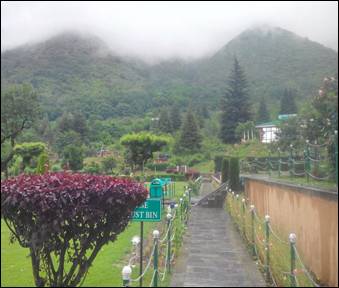

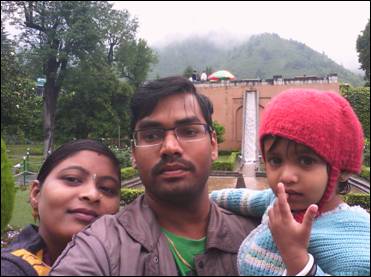
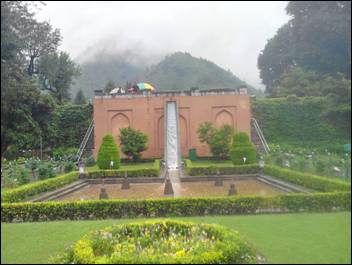

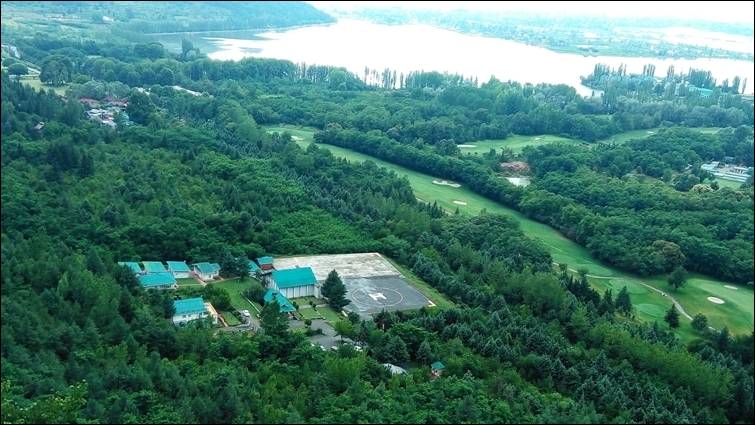
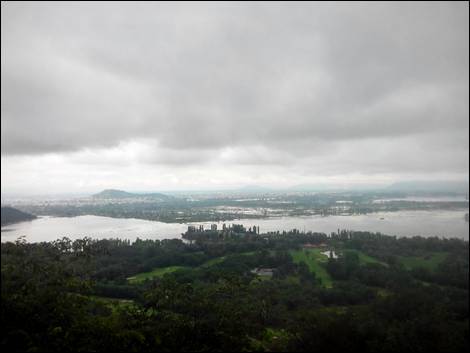
After having breakfast near Dal Lake, we proceeded to the most awaited SHIKARA RIDE.
We took one shikara and went on a ride. Rates for each type of ride are displayed at every entry point to Dal Lake. We had this ride as a part of our tour package. It was a kingly experience riding a shikara and enjoying the cool breeze of Dal Lake. Our shikara guide took us to various points on Dal Lake and told us about places where many movies were shot, including Mission Kashmir, Jab Tak Hai Jaan, and many song sequences.
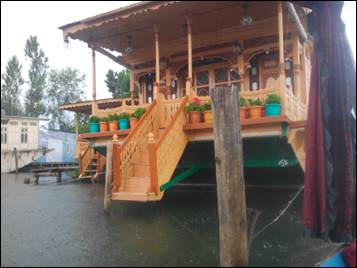
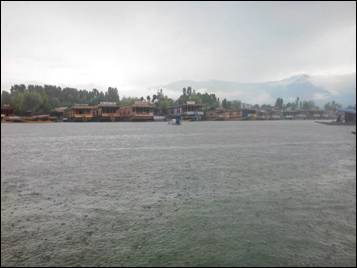
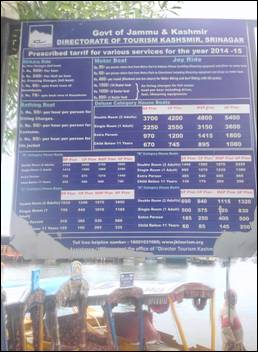
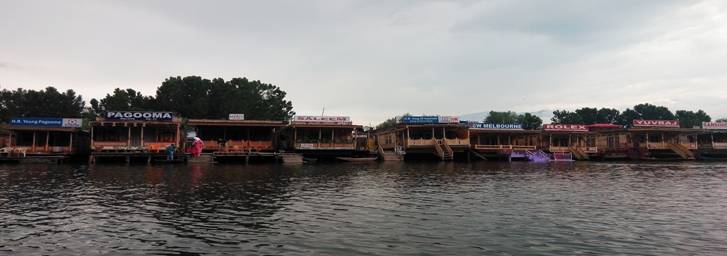
We also visited floating markets, floating vegetable farming, etc.
However, the world-famous Dal Lake has also been gripped in a commercial race. It seems the government has left this poor lake in the hands of local houseboat owners or shikara operators. Poor conditions and a multitude of shikaras and houseboats are nearly spoiling the purpose of the lake. We felt pity for this.
After a 2.5-hour ride, we came back to Dal Lake road. Shamiyana is one of the best places to have lunch if you are visiting Dal Lake—awesome food and ambiance compared to other restaurants.
After a late breakfast (at 3:30 PM), we decided to move back to the hotel for some rest and come back in the evening for more fun.
By evening, news was around that landslides had taken place on the way from Srinagar to Jammu, and the only surface link between Srinagar and Jammu was closed. We had to leave for Jammu the next day for our onwards journey.
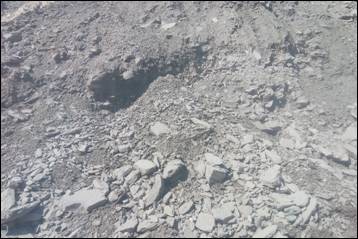
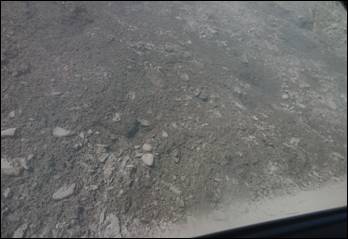
Our tour operator informed us that we would have to stay in Srinagar for one or two days more out of our schedule due to landslides and fear of floods in Srinagar. We were really terrified. We verified with local persons, hotel staff, and local news websites. The situation was not good. With fear and uncertainty about our next move, we passed the night at the hotel.
Day-5: 26th June: Time to leave
Due to heavy rains in the uphill areas, the Jhelum river was flowing above the danger mark, and at several places water had come into the city, blocking roads and disconnecting us from reaching Jammu. We were in fear, but not panic. Our driver also denied leaving Srinagar due to waterlogging, landslides, and Srinagar-Jammu highway closure.
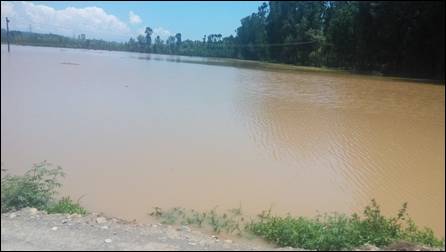
However, rain had stopped from the morning, and the Indian Army and Border Roads Organisation (BRO) were at work to clear the highway. After our research and talking to locals, we convinced the driver to leave for Jammu—whatever happens we would bear, without fear.
We crossed three water-submerged roads. It was a thrilling and fearsome experience passing vehicular jams on roads. We took many alternate ways throughout the journey, avoiding the highway as much as possible. Thanks to Google Maps, as we travelled through many internal village areas where roads were small, bouncy, wet, and in poor conditions, but in this emergency time, these were quite helpful.
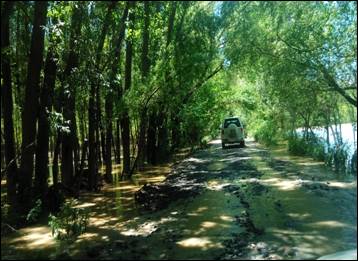
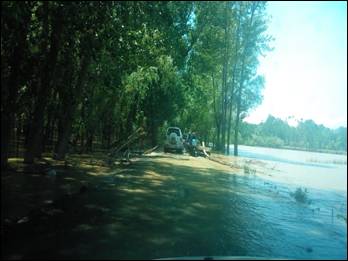
The last day we had kept for some shopping at Srinagar, like dry fruits, kesar, etc. However, in that condition we were thinking only of coming out of J&K by any means and nothing else.
J&K has not yet learned its lesson from last year’s flood situation. Hope God helps poor locals gripped under pure commercialization who have converted this once-a-paradise into a tourism business only.
Somehow we reached Udhampur (one stop before Jammu from Srinagar) to catch our night train well on time. Thanks to BRO (Border Roads Organisation) for clearing the highway as much as possible in time.
It was a rich experience as shared above. Hope the condition of local J&K improves and it’s made a paradise once again as we have seen in 80s and 90s movies.
Thanks for reading...
From,
Samarpan